
Turnitin Plagiarism Checker in Review: Trust and Use

Many readers search for clarity after seeing a Turnitin report attached to an assignment, document review, or originality claim.
The Turnitin plagiarism checker can raise doubts about trust, fairness, and how much weight its results deserve.
This article examines the system through a transparency and reliability lens, explaining how judgments are formed, where uncertainty comes from, and what readers should realistically expect, inviting you to read on.
Trust and Transparency in the Turnitin Plagiarism Checker
How Turnitin Presents Similarity Data
Once users complete a Turnitin sign up through an institution, similarity results are shown in a standardized report that highlights matched text and assigns an overall percentage.
This display emphasizes where overlaps occur rather than making claims about wrongdoing.
For students, the visual layout can feel authoritative, so it helps to understand that the report is a comparison tool designed to support review, not an automated verdict.

What Users Can and Cannot See in Reports
What appears in a report depends on permissions tied to the Turnitin sign up type.
Students usually see highlighted matches and source titles, while instructors may access filtering tools or submission settings.
Users cannot see Turnitin’s full comparison database or the internal logic that ranks matches, which often leads to questions when expected sources are missing or results differ between submissions.
Transparency Limits Within the Turnitin System
Turnitin does not fully disclose how Turnitin similarity percentages are calculated or how sources are weighted, even after signing up.
This limits transparency around edge cases such as common phrases, templates, or reused drafts.
Recognizing these system boundaries is important before interpreting outcomes, especially as reports move from review into formal decision-making by instructors or institutions.
How Decisions Are Made Using the Turnitin Plagiarism Checker
Instructor and Institutional Interpretation
After Turnitin sign up enables report access, instructors and designated reviewers interpret results within the context of the assignment.
They review highlighted passages, check cited sources, and consider whether matches reflect proper quotation, common phrasing, or required templates.
For students, this means similar reports can lead to different outcomes depending on course goals and instructor expectations rather than the software alone.

Policy Thresholds and Internal Guidelines
Institutions often define internal guidelines that shape decisions following Turnitin sign up, such as percentage ranges that prompt closer review.
These thresholds are not universal rules and may vary by department, assignment type, or draft status.
Students should review course policies or ask instructors how Turnitin results are applied locally to avoid assuming a single score determines consequences.
Why Scores Alone Are Not Final Judgments
A similarity score measures text overlap, not intent, authorship, or academic integrity.
Reviewers weigh factors like citation accuracy, reuse of prior work, and assignment instructions before deciding next steps.
Understanding this evaluation process helps users anticipate how reports are handled, especially as questions arise about how submissions are stored and compared within Turnitin’s system boundaries.
Data Handling and System Boundaries in Turnitin
Content Storage and Database Scope
After Turnitin signs up, submitted files are processed and compared against Turnitin’s active databases, which may include institutional repositories, published sources, and prior student submissions depending on account settings.
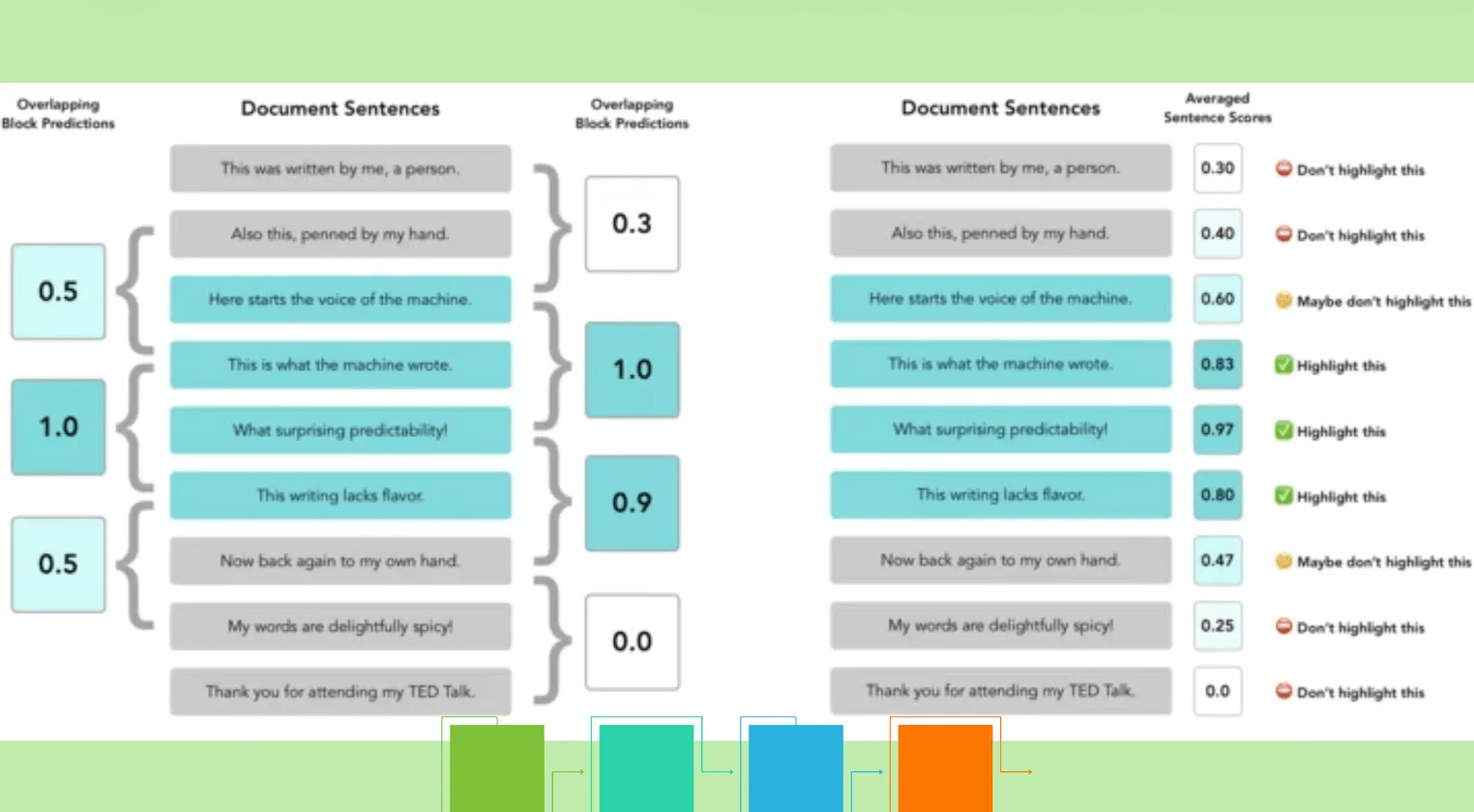
Storage behavior varies by institution and assignment configuration, so students should confirm whether their work is added to a repository.
Understanding this scope helps set expectations about future matches and visibility.
Resubmissions and Comparison Behavior
Turnitin sign up alone does not determine how resubmissions are handled; course settings do.
Some classes allow multiple submissions with filters to prevent self-matching, while others compare each upload independently.
Students should check whether drafts are excluded from final comparisons and ask instructors how resubmissions affect similarity results to avoid unexpected overlaps.
Ethical and Practical Considerations
Using Turnitin involves trade-offs between originality review and data retention. After sign up, users are responsible for following institutional policies on consent, authorship, and reuse of prior work.
Clarifying these boundaries early supports fair use and prepares readers to address common misunderstandings that often surround how the Turnitin plagiarism checker is perceived.
Common Misconceptions About the Turnitin Plagiarism Checker
Confusing Similarity With Confirmed Plagiarism
After completing a Turnitin sign up and viewing a report, many users assume any highlighted text means plagiarism has been proven.
In reality, Turnitin only identifies text overlap, leaving interpretation to instructors or reviewers.
For students, this misunderstanding often causes unnecessary concern, especially when matches come from correctly cited sources, assignment templates, or commonly used academic phrases.
Assumptions About Percentage Thresholds
Another common misconception after Turnitin sign up is that there is a universal “safe” or “failing” similarity percentage.
Turnitin does not define pass or fail cutoffs, and percentages are interpreted differently across institutions and assignments.
Relying on an assumed number can mislead students, so it is more effective to review course policies and ask how scores are evaluated in that specific context.
Misreading Automated Results Without Context
Turnitin reports can appear definitive, but automated highlights lack full context. Users who sign up for Turnitin sometimes overlook factors such as quotation settings, reference exclusions, or prior draft submissions.
Learning to read reports alongside assignment instructions and instructor guidance helps avoid misinterpretation and sets the stage for addressing practical questions that commonly follow.
FAQ

1. Can the Turnitin Plagiarism Checker Be Fully Trusted on Its Own?
No, Turnitin identifies text similarity but cannot determine intent or confirm plagiarism. Final judgment always requires instructor or reviewer interpretation.
2. How Does the Turnitin Plagiarism Checker Support Fair Evaluation?
It provides detailed similarity reports and source matches, allowing reviewers to assess originality consistently. However, fairness depends on proper interpretation alongside course guidelines.
3. Why Do Similar Texts Receive Different Results in the Turnitin Plagiarism Checker?
Results vary due to database differences, report settings, and resubmission filters. Even minor formatting or citation changes can affect matches.
4. How Does a Student Enroll in Turnitin?
Students usually enroll via a class or institution account after Turnitin sign up. Instructors provide a class ID or enrollment link to access the system.
5. How Do I Register on Turnitin?
Registration typically requires a class ID, institutional email, or account invitation. Users complete the Turnitin sign up form and verify their email to activate the account.
6. Can I Use Turnitin for Free?
Turnitin is primarily accessed through schools or organizations, so free personal use is limited. Some institutions offer trial or preview options after Turnitin sign up.
Conclusion
The Turnitin plagiarism checker is best understood by examining how trust, interpretation, and system limits interact.
This article reviewed transparency, decision-making practices, data boundaries, and common misconceptions surrounding its use.
By approaching similarity reports with realistic expectations and informed judgment, readers can better evaluate originality findings and use Turnitin results as a meaningful reference rather than a final verdict.