
Turnitin Similarity Score Across the Writing Workflow

Writers often encounter this term at different moments, such as checking a draft, submitting work, or reviewing feedback in Turnitin.
The Turnitin similarity score raises different concerns at each stage, from whether revision is needed to how reviewers will interpret matches.
This article follows the score through the full writing workflow, explaining how its meaning changes over time and how readers can respond strategically at each step.
How the Turnitin Similarity Score Functions Before Submission
Before formal Turnitin submission, attention typically shifts from learning what the metric represents to using it as a working signal during drafting.
In this phase, the Turnitin similarity score supports revision decisions without the pressure of final evaluation.
Using Early Turnitin Similarity Results to Guide Revisions
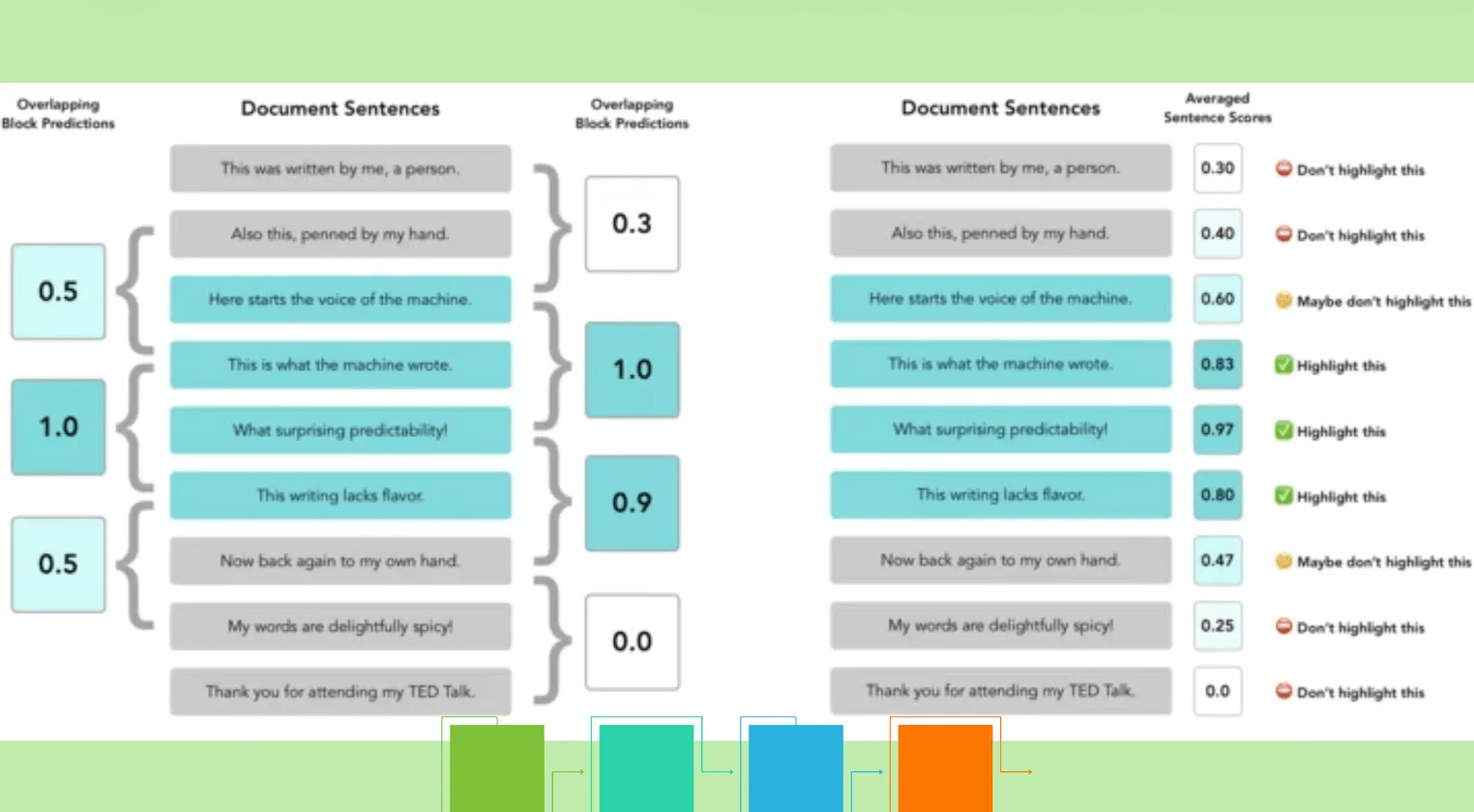
Early reports are best read as diagnostic feedback. A higher Turnitin similarity score at the draft stage often reflects incomplete paraphrasing, repeated source phrasing, or sections awaiting proper citation.
Students should review highlighted matches to decide whether wording needs revision, sources need clearer attribution, or structure can be improved, rather than aiming to lower the percentage alone.
This approach naturally leads to a closer look at what types of matches are actually present.
Identifying Structural Versus Content-Based Matches in Turnitin
Structural matches typically come from titles, prompts, standard definitions, or commonly used academic phrasing, while content-based matches indicate close alignment with source material.
Turnitin’s match breakdown allows writers to see which passages fall into each category.
Distinguishing between them helps determine whether a match is expected or requires revision, setting clearer priorities before submission.
Deciding When a Draft Is Ready for Formal Submission
Readiness depends less on hitting a specific number and more on understanding the remaining matches.
A draft is usually ready when the Turnitin similarity score reflects intentional use of sources, quotations are clearly marked, and citations meet course requirements.

At this point, remaining concerns often relate to how reliable draft-level results actually are.
Limits of Draft-Level Turnitin Similarity Checks
Turnitin draft checks have built-in constraints. The Turnitin similarity score may change due to database updates, resubmission settings, or whether the draft is stored for future comparison.
These variables mean early results should guide revision, not be treated as a final indicator, which becomes especially important as submission approaches.
Differences Between Practice Reports and Final Turnitin Reports
Practice reports may apply different filters, exclude institutional repositories, or handle references and quotes differently from final reports.
Once submitted formally, Turnitin often applies broader comparisons and stricter settings, which can shift the Turnitin similarity score.
This change in context explains why interpretation becomes more consequential once work moves from drafting into the submission and review stage.
The Turnitin Similarity Score During Submission and Review
Building on the draft-level guidance, the focus now shifts to how the Turnitin similarity score is interpreted once a paper is formally submitted.

At this stage, the score becomes part of an official review, and understanding what reviewers see is key for anticipating feedback and potential concerns.
What Reviewers See Beyond the Turnitin Similarity Percentage
In formal submissions, reviewers rarely rely on the raw Turnitin similarity score alone. They examine the context of matched text, the sources cited, and the overall pattern of overlaps.
A high percentage may not trigger concern if matches are properly quoted or reference common terminology, while even a lower percentage can draw attention if key passages closely mirror source material.
Understanding these nuances helps writers anticipate which areas reviewers may scrutinize most closely.
Color-Coded Matches and Source Breakdown in Turnitin
Turnitin highlights matches with color codes that correspond to the origin and type of source. Each color indicates whether text comes from a student paper, journal, website, or other repository.
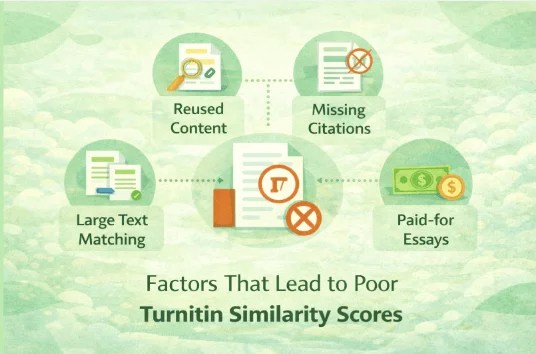
The breakdown allows reviewers to quickly assess which matches are routine or benign and which may require deeper investigation.
Writers can use this insight to focus on sections where matches are significant and ensure citations are clear and complete.
How Context Shapes Interpretation of Turnitin Matches
Reviewers interpret the Turnitin similarity score within the context of assignment goals, writing standards, and expected originality.
Matches in methodology sections or commonly used academic phrasing are typically treated differently than matches in conclusions or unique analysis.
Awareness of these contextual factors helps students understand why some matches are flagged and how to justify their content choices if questioned.
Assignment Instructions, Citation Rules, and Expected Similarity
Turnitin reports are read alongside assignment-specific instructions and institutional citation policies.
Reviewers consider whether quotations are properly formatted, whether references meet style guidelines, and whether overall similarity falls within expected ranges for the assignment type.
Recognizing these criteria prepares writers for feedback and underscores that the Turnitin similarity score is interpreted as part of a broader evaluative framework, setting the stage for post-evaluation review and reflection.
Understanding the Turnitin Similarity Score After Evaluation
After submission and review, the Turnitin similarity score shifts from a predictive tool to an informative record of how the paper aligns with existing sources.
At this stage, the score is interpreted alongside reviewer feedback, helping students understand both strengths and areas for improvement.
Feedback Linked to Turnitin Similarity Findings
Instructor comments often reference specific matches highlighted in Turnitin reports.
Feedback may point out improperly cited text, repetitive phrasing, or areas where paraphrasing could be stronger.

Students can use these insights to refine writing skills, clarify sources, and improve future submissions, rather than focusing solely on lowering the percentage.
Recognizing that feedback is tied to context ensures that revisions target meaningful issues.
When Similarity Is Noted but No Action Is Required
Not all flagged matches require changes. Turnitin may highlight structural phrases, assignment prompts, or correctly cited quotations that contribute to the similarity score.
Understanding when flagged content is acceptable prevents unnecessary edits and helps students focus on genuine concerns, reinforcing that the Turnitin similarity score is a guide, not an automatic penalty.
Resubmissions and Score Changes Within Turnitin
Resubmitting a paper can alter the Turnitin similarity score due to updates in source databases, changes in repository comparisons, or differences in submission settings.
Scores may increase or decrease even if content remains largely the same, reflecting how Turnitin recalculates matches.
Students should interpret these changes carefully and review the report details to identify which sections actually contributed to the shift.
How Prior Submissions Affect Later Turnitin Similarity Scores
Turnitin retains prior submissions in its repository, meaning future comparisons can affect similarity percentages.
Content that was acceptable in one submission may appear as a match in a later draft if the system compares it to the stored version.
Awareness of this dynamic allows students to plan revisions strategically, track changes across submissions, and understand how the Turnitin similarity score evolves throughout the writing process, naturally leading into common workflow challenges and mistakes.
Workflow Mistakes Related to the Turnitin Similarity Score
Even after understanding how the Turnitin similarity score works before, during, and after submission, students often fall into common workflow pitfalls.
Recognizing these mistakes helps prevent unnecessary stress, misinterpretation, and counterproductive revisions.

Treating the Score as a Pass-Fail Metric
A frequent error is assuming that the Turnitin similarity score alone determines whether a submission is acceptable.
Scores should be considered alongside context, citation quality, and assignment-specific expectations. Overemphasis on the number can lead to misjudging properly cited work or overcorrecting minor matches, rather than focusing on meaningful improvements.
Understanding that the score is a guide rather than a verdict helps maintain perspective.
Revising Solely to Reduce Turnitin Percentages
Some students focus exclusively on lowering the Turnitin similarity score instead of addressing the underlying writing or citation issues.
This approach can result in awkward paraphrasing, omitted citations, or disrupted clarity.
Effective revision targets content understanding, proper attribution, and logical flow, using the Turnitin similarity score as a tool to highlight areas that may need attention rather than as an end goal.
Ignoring Match Details Inside the Turnitin Report
Relying only on the overall percentage without examining individual matches is another common mistake.
The Turnitin similarity score highlights which text aligns with external sources, but only by reviewing the report can students see whether matches are structural, properly cited, or potentially problematic.
Paying attention to these details ensures that revisions are accurate, focused, and aligned with academic standards, setting up a smoother transition into frequently asked questions about Turnitin reports.
FAQ

1. Does the Turnitin Similarity Score Mean the Same Thing at Every Writing Stage?
No. Before submission, it serves as a guide for revisions; after submission, it reflects how content compares with existing sources and is interpreted by reviewers.
2. Can the Turnitin Similarity Score Increase After Revisions?
Yes. Changes in the draft, updates to Turnitin’s databases, or the inclusion of prior submissions can cause the score to rise, even if the content is largely unchanged.
3. How Do Instructors Evaluate the Turnitin Similarity Score During Grading?
Instructors consider context, citation quality, and assignment expectations. They look beyond the raw percentage to determine whether matches are acceptable, properly cited, or require revision.
4. Is 30% Similarity on Turnitin Bad?
Not necessarily. The significance of a 30% score depends on the type of matches, proper citations, and institutional guidelines. Some matches may be structural or standard phrases that are acceptable.
5. What Is a Good Turnitin Similarity Score?
A “good” Turnitin score varies by assignment and institution. Generally, lower percentages with clearly cited content are ideal, but context and match type matter more than the number alone.
6. What Do Reddit Users Say About Turnitin Similarity Scores?
Many users report that the score can be misleading, emphasizing that context, proper citations, and instructor interpretation are more important than the percentage itself. Users often share strategies for reading reports and improving originality.
Conclusion
This article examined how similarity data operates throughout drafting, submission, and evaluation in Turnitin.
By understanding when and how reports are used, readers can avoid common workflow errors and respond more effectively to feedback.
The Turnitin similarity score gains meaning only when viewed in context across stages. Interpreted this way, it becomes a practical guide for revision, review, and confident submission rather than a single fixed judgment.