
Is Turnitin Free: Understanding Access, Costs, and Options

Many students and general writers wonder, “Is Turnitin free?” When submitting papers, users often face uncertainty about whether they can use Turnitin without paying or through institutional access.
This article clarifies how Turnitin’s free and paid options work, explains who can access it at no cost, and offers practical guidance on using it effectively.
Keep reading to get a clear picture of Turnitin access and costs.

Can You Use Turnitin for Free?
Turnitin is not fully free for individual users, but some institutions provide access. Most free access is limited through schools or trials, so personal accounts usually require payment.
Institutional Access Options
Many colleges and universities provide Turnitin access as part of their learning management systems. Students enrolled in these institutions can submit papers without paying directly.
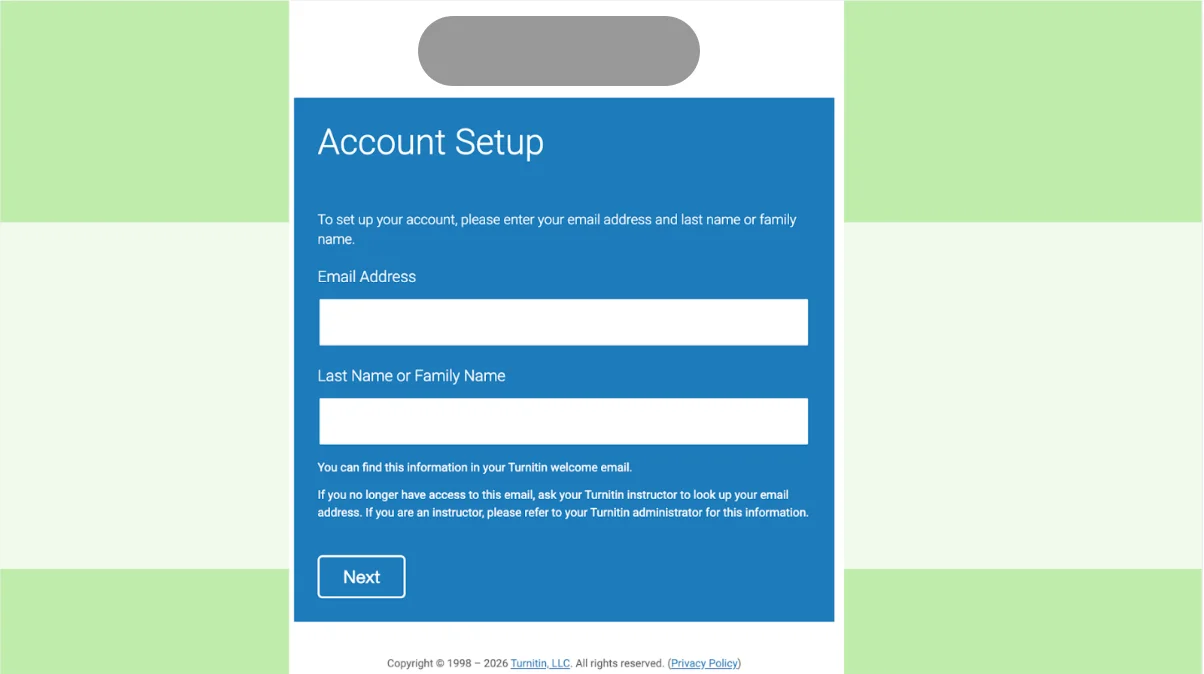
Access is typically tied to courses, and instructors manage submission portals. Some institutions offer campus-wide accounts that allow all registered students to check drafts, ensuring originality before final submission.
It’s important to confirm with your school’s library or academic services whether such access is available.
Trial and Limited Free Access
Turnitin occasionally offers short-term trials for new instructors or institutions, which allow limited submissions for evaluation.
Individual users generally cannot create a permanent free account, but trial access can let you test similarity reports on a few documents.
Trials may have limits on the number of submissions, report features, or storage duration. To use a trial effectively, plan which papers need checking and submit them within the trial period.
Restrictions of Free Usage
Free or trial access does not include all Turnitin features. Some reports may have reduced database coverage, excluding certain journals, publications, or previous student papers.
Users cannot rely on free access for high-stakes submissions because similarity detection may be incomplete. Additionally, free options rarely provide instructor feedback tools, grading integration, or peer review functionalities.
Knowing these limitations helps set realistic expectations when using Turnitin without a full subscription.
For those exploring Turnitin access, understanding these free and institutional options clarifies what is possible before committing to a paid plan. The next section will examine Turnitin subscription plans and costs, detailing student, educator, and institutional pricing.
Turnitin Subscription Plans and Costs
Student Subscription Options
Students who do not have institutional access can purchase individual Turnitin subscriptions. These plans often allow a set number of submissions per month or per year, depending on the package.
Prices vary, but subscriptions typically include full similarity report features, access to Turnitin’s databases, and the ability to check drafts before final submission.
When choosing a plan, students should consider their assignment volume to avoid exceeding submission limits.

Educator and Institutional Pricing
Institutions and educators can purchase campus-wide or course-specific licenses. These subscriptions are generally billed annually and provide unlimited student submissions, plagiarism detection, and integrated grading tools.
Institutional plans may also include additional features such as peer review platforms and originality checking across multiple classes. Pricing depends on institution size, number of users, and selected feature sets.
Comparing Free vs Paid Features
Paid Turnitin accounts offer complete database coverage, full similarity reports, and advanced feedback tools, whereas free or trial access is limited in scope.
Free options often restrict the number of submissions and exclude some academic sources or previous student papers.
Paid accounts also integrate with learning management systems, enabling seamless grading and plagiarism monitoring, which is not available in free versions. Understanding these differences helps users decide whether a subscription is necessary.
Exploring subscription options ensures users know what full access provides compared to free usage. The following section will explain how Turnitin detects content, including similarity reports and database coverage.
How Turnitin Detects Content
Similarity Reports
Turnitin generates similarity reports by scanning submitted documents against its extensive databases. The report highlights matching text, including quotes, references, and commonly used phrases.
Users can see the percentage of content that matches other sources, helping identify potential plagiarism or areas needing citation.
Even with limited access, Turnitin flags similarities, but paid accounts provide the most detailed breakdowns and contextual comparisons.

Database Coverage
Turnitin’s detection relies on multiple databases, including academic journals, published papers, student submissions, and internet sources.
Paid accounts have full access to all these resources, ensuring comprehensive similarity checks. Free or trial accounts may only access a portion of the database, so some matches could go undetected.
Understanding the scope of Turnitin’s coverage helps users interpret reports accurately and manage expectations when using limited access.
Limitations of Free Access
Free or trial users often encounter incomplete similarity reports due to restricted database coverage. Certain publications, institutional archives, or previously submitted papers may be excluded, leading to underreported similarity percentages.
Additionally, free accounts may not provide detailed source information or allow multiple revisions for the same document.
Awareness of these limitations ensures that users relying on free access approach submissions with caution and verify critical work through institutional accounts when possible.
Knowing how Turnitin detects content and the differences between free and paid access helps users interpret results effectively. The next section will offer practical tips for using Turnitin without paying excess fees.
Tips for Using Turnitin Without Paying Excess Fees
Leveraging School Accounts
Many students can access Turnitin through their school’s learning management system at no personal cost. Check if your institution provides integrated submission portals, which often include full similarity reports and grading tools.
Coordinate with instructors or the library to confirm eligibility, and always use these accounts for draft submissions before considering a paid plan.
This approach maximizes Turnitin’s features without incurring extra fees.
Free Trials and Alternatives
Turnitin occasionally offers trial access for new users or instructors, allowing a limited number of submissions.
Plan submissions carefully during trial periods to check the most important documents. While full functionality may be restricted, trials give a realistic sense of similarity reporting.
Using trials strategically can reduce the need for a paid subscription when only occasional checks are required.
Understanding Submission Limits
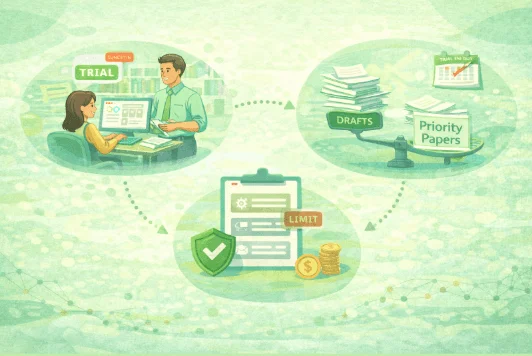
Even free or school-provided Turnitin accounts may have submission caps or restricted access windows. Be aware of how many documents can be submitted at once, how often reports can be generated, and whether revisions are allowed.
Prioritize checking critical papers first, and combine drafts where possible to stay within limits. Understanding these restrictions ensures effective use of Turnitin without unnecessary costs.
By using institutional accounts, trial periods, and careful submission planning, users can minimize expenses while accessing Turnitin’s core features. The next section will address common questions about Is Turnitin free through a detailed FAQ.
FAQ

1. Is Turnitin Free for Students?
Turnitin is not fully free for individual students, but many schools and universities provide access through institutional accounts.
2. How Much Is Turnitin?
Individual subscriptions vary, but student plans typically range from $10 to $20 per month depending on submission limits. Institutional pricing depends on the number of users and features included.
3. Is There Any Free Turnitin?
Turnitin does not offer a permanent free version for individual users. Free access is usually limited to school accounts or short-term trials.
4. Does Turnitin Offer Any Permanent Free Version?
No, Turnitin does not provide a permanent free account for personal use. Users must rely on institutional access or paid subscriptions.
5. How Accurate Are Free Access Reports Compared to Paid Accounts?
Free or trial reports may miss matches because database coverage is limited. Paid accounts provide full similarity checks and more detailed source information.
6. Can Turnitin Actually Detect ChatGPT?
Turnitin can flag AI-generated content if it matches existing sources or patterns in its detection system, but it does not guarantee detection of all ChatGPT outputs.
Conclusion
Is Turnitin free is a question many students and writers face when checking their work for originality. This article explained the differences between institutional, trial, and paid access, outlined subscription costs, and highlighted limitations of free usage.
Understanding how Turnitin detects content and the strategies for minimizing expenses helps users make informed choices.
By knowing what features are available at no cost versus paid, readers can use Turnitin effectively without unnecessary surprises or fees.